
Meta’s Muse: Security Risks and What Users Should Know

Meta’s Muse AI agent offers new ways to simplify everyday tasks, but its capabilities also introduce privacy and security concerns. Following the discovery of thousands of discoverable conversation-sharing links, learn why AI agent permissions matter, how personal AI use can create workplace security risks, and what users should know before connecting their accounts.
The Neighborhood Watch: How to Spot Phishing Threats

Employees can be one of your organization’s strongest defenses against phishing. This Cybersecurity Awareness Month, discover how BSN’s Neighborhood Watch theme encourages employees to recognize suspicious activity, report potential threats, and help protect the entire organization.
Add the Deadbolt: Building Stronger Cybersecurity One Layer at a Time
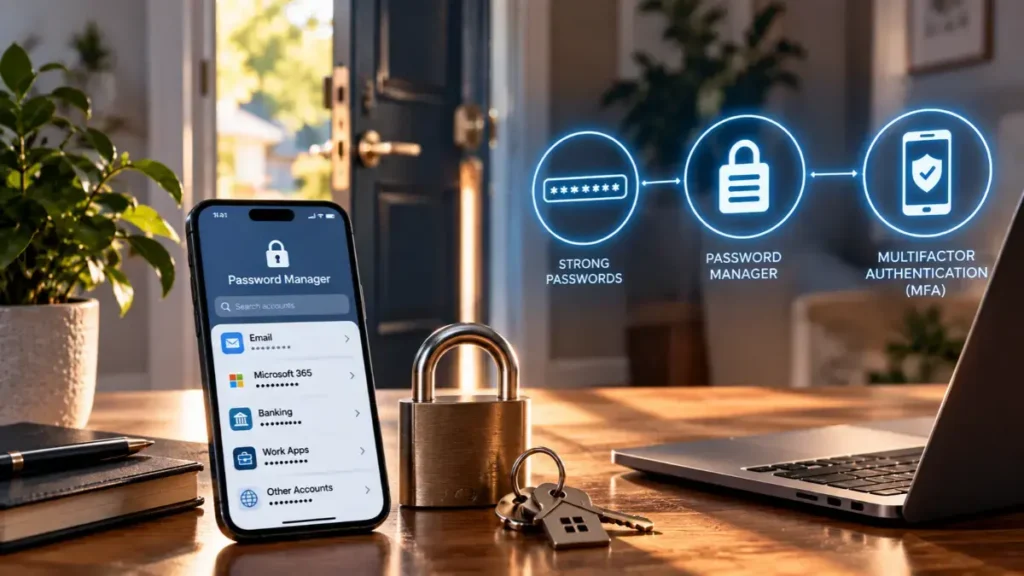
No single cybersecurity measure can stop every threat. This Cybersecurity Awareness Month, explore how passwords, MFA, password managers, and employee awareness work together to create stronger layers of protection.
Cybersecurity Awareness Month: Strong Security Starts With the Basics

Cybersecurity Awareness Month is a chance to get back to the basics. Learn why strong, unique passwords remain a critical first step in protecting accounts, employees, and businesses from cyber threats.
Lock It Down: Cybersecurity Awareness Month 2026

Cybersecurity Awareness Month 2026 is an opportunity to reinforce the everyday habits that keep organizations secure. Learn how BSN’s Lock It Down campaign addresses passwords, MFA, phishing, and continuous employee education, and explore resources available in the Cybersecurity Awareness Month Partner Toolkit.
Training That Fits the Job: BSN Expands Role-Based AI and Cybersecurity Learning

Breach Secure Now’s Role-Based Training gives employees more relevant cybersecurity and AI education based on the work they actually do. Learn how role-specific courses, annual training, weekly learning, Nano-Trainings, phishing simulations, and remediation help organizations build secure, productive, and AI-ready teams.
The AI Safety Debate Is Getting Louder. What Should Business Leaders Do Right Now?

The AI safety debate is getting louder, but businesses do not have to wait for future risks to take action. Shadow AI, unsafe data sharing, AI-generated phishing, and unapproved tools are already creating challenges. Learn how clear guardrails, employee training, and greater visibility can help organizations manage AI risk today.
What Are Nanos? Training Built for the Way People Learn Today

BSN Nanos are short, focused training experiences designed to make learning easier to consume, easier to access, and easier to fit into the workday. By complementing traditional courses with bite-sized content, Nanos help organizations deliver continuous training that meets employees where they are.
Password Managers: A Simple Tool for Solving a Very Human Security Problem

Password managers help employees create and store strong, unique credentials without relying on memory or risky password reuse. Learn how they reduce credential stuffing risk, support better security habits, and work alongside MFA and cybersecurity awareness training to strengthen account protection.
Preparing Texas for a More Secure, AI-Ready Workplace
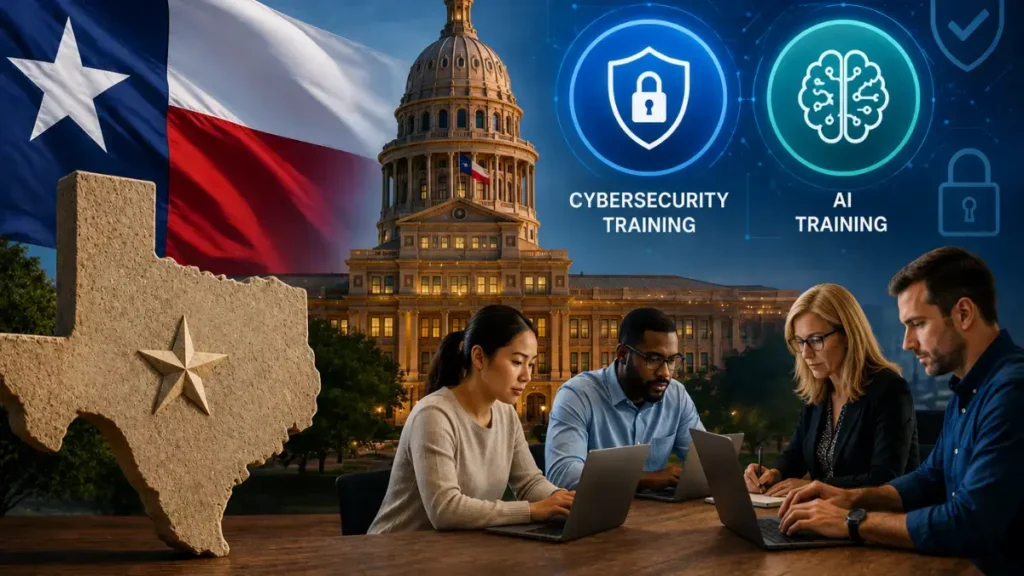
Texas public-sector employees face growing cybersecurity and AI-related responsibilities. Breach Secure Now’s 2026-27 Texas Cybersecurity Training and Texas Artificial Intelligence Training help covered employees build practical awareness, meet annual training requirements, and use technology more safely, confidently, and responsibly.