
Meta’s Muse: Security Risks and What Users Should Know
Meta’s Muse AI agent offers new ways to simplify everyday tasks, but its capabilities also introduce privacy and security concerns. Following the discovery of thousands of discoverable conversation-sharing links, learn why AI agent permissions matter, how personal AI use can create workplace security risks, and what users should know before connecting their accounts.
Training That Fits the Job: BSN Expands Role-Based AI and Cybersecurity Learning

Breach Secure Now’s Role-Based Training gives employees more relevant cybersecurity and AI education based on the work they actually do. Learn how role-specific courses, annual training, weekly learning, Nano-Trainings, phishing simulations, and remediation help organizations build secure, productive, and AI-ready teams.
What Are Nanos? Training Built for the Way People Learn Today

BSN Nanos are short, focused training experiences designed to make learning easier to consume, easier to access, and easier to fit into the workday. By complementing traditional courses with bite-sized content, Nanos help organizations deliver continuous training that meets employees where they are.
Password Managers: A Simple Tool for Solving a Very Human Security Problem

Password managers help employees create and store strong, unique credentials without relying on memory or risky password reuse. Learn how they reduce credential stuffing risk, support better security habits, and work alongside MFA and cybersecurity awareness training to strengthen account protection.
Preparing Texas for a More Secure, AI-Ready Workplace
Texas public-sector employees face growing cybersecurity and AI-related responsibilities. Breach Secure Now’s 2026-27 Texas Cybersecurity Training and Texas Artificial Intelligence Training help covered employees build practical awareness, meet annual training requirements, and use technology more safely, confidently, and responsibly.
Breach Secure Now Integrates with Bumblebee for MSP Automation
Breach Secure Now now integrates with Bumblebee, giving MSPs access to employee security, phishing, dark web, and training data inside an AI automation platform built for MSP workflows. Learn how partners can use BSN metrics to reduce manual follow-up, support recurring actions, and bring cybersecurity data into the automations they build for their business and customers.
Your Password Is Still One of the Biggest Security Risks
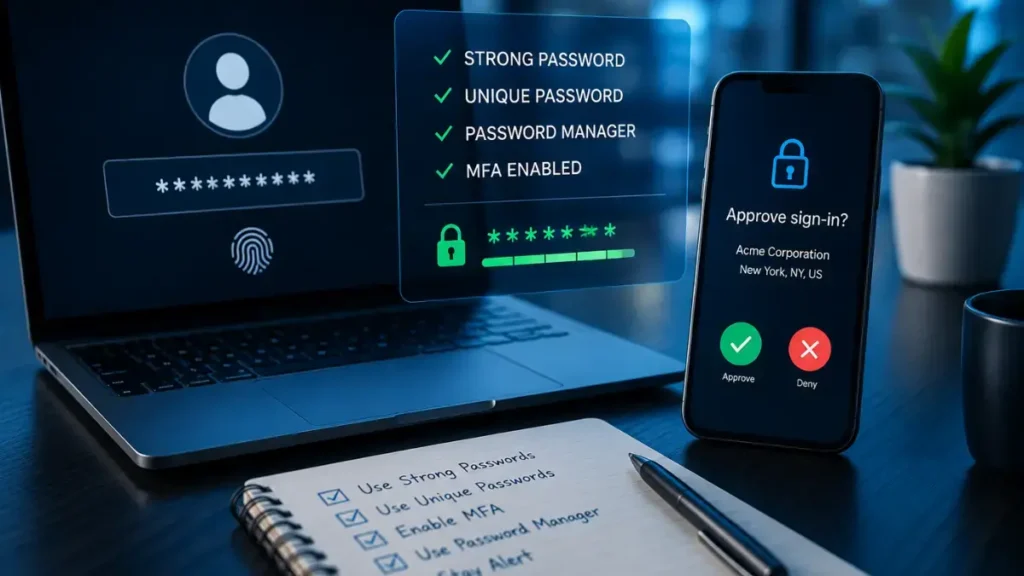
Cybercriminals don’t always need sophisticated malware to compromise an organization. Sometimes, they only need a stolen password. Learn why strong password security, multi-factor authentication (MFA), and ongoing cybersecurity awareness training remain essential for preventing credential theft and strengthening your organization’s human firewall.
Breach Secure Now Integrates with MSPortal.AI to Bring Employee Security Data Into the Client Experience
Breach Secure Now’s integration with MSPortal.AI brings employee security data into the same client portal MSPs use for service reporting, roadmaps, budgets, compliance, and other business priorities. Partners can now review training participation, phishing performance, dark web exposure, and Employee Secure Scores in one place, making it easier to identify risk, demonstrate value, and include employee security in every business review.
When Cyberattacks Reach Critical Infrastructure, Cybersecurity Awareness Becomes Everyone’s Responsibility

Recent attacks on water and wastewater systems show how quickly a cyber incident can disrupt real-world operations. Learn what these events mean for businesses, employees, and MSPs, and how Breach Secure Now helps organizations strengthen awareness, reduce human risk, and prepare for the unexpected.
Culture Before Copilot: Why AI Adoption Starts with People, Not Technology

Many organizations are investing in AI tools but struggling to see meaningful adoption. The missing piece isn’t better technology. It’s a culture that empowers employees through AI awareness, cybersecurity training, and clear leadership. Discover why successful AI adoption starts with people, not software.