What Is a Botnet?
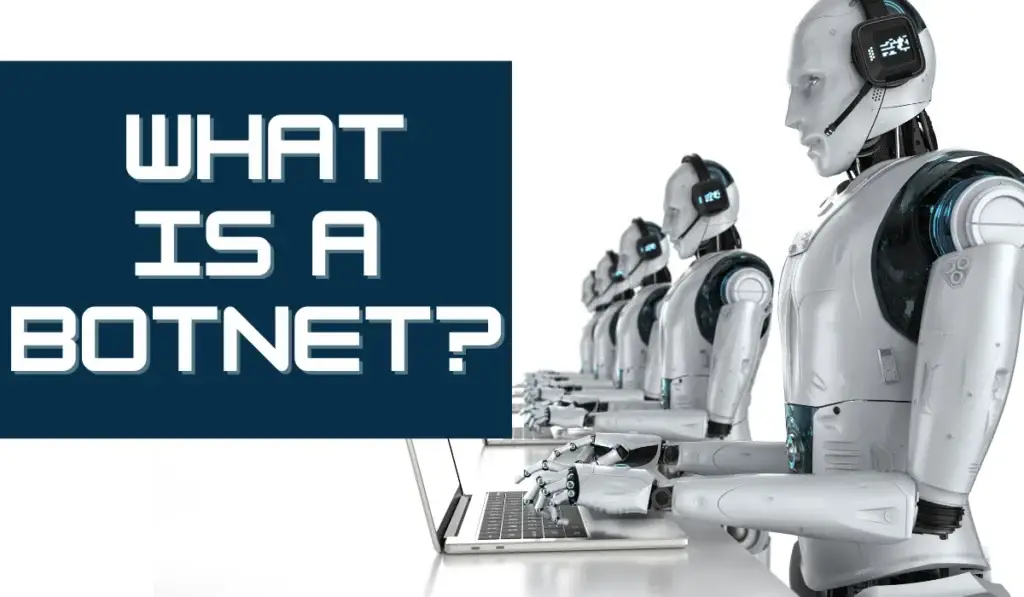
You may hear the word ‘bot’ used in conversations, especially around cybersecurity. But often we use it without really knowing exactly what it means or how it originated.
The Players
The term botnet is short for robot network. It describes a network of computers that are infected by malware. This malware is controlled by a single party, known as the bot-herder. And each computer that is under that control is known as a bot.
Cyberattack Increase Warning Issued for Schools
Back-to-school time is in full swing and imagine if the only threat that schools faced would be running out of tissues during sniffle season? Unfortunately, that isn’t the case. A cyberattack warning from the FBI, CISA, and MS-ISAC has been issued indicating that cybersecurity “attacks may increase as the 2022/2023 school year begins and criminal ransomware groups perceive opportunities for successful attacks.” A recent attack on the Los Angeles school district deployed malware over Labor Day weekend. The attack was followed up with government-issued announcements that included the warning of an increased threat.
Student Loan Scams

Student Loan Scams
With the launch of the U.S. Student Loan Forgiveness program, there is an opportunity for students and other borrowers to benefit. Any scenario that puts millions of people in a target pool is ideal for hackers. Add to the scenario the list of questions and uncertainties and you have a recipe for risk. The details are not always known at first or readily available and that means that cybercriminals are ready to pounce before you can get your questions together.
Ransomware as a Service
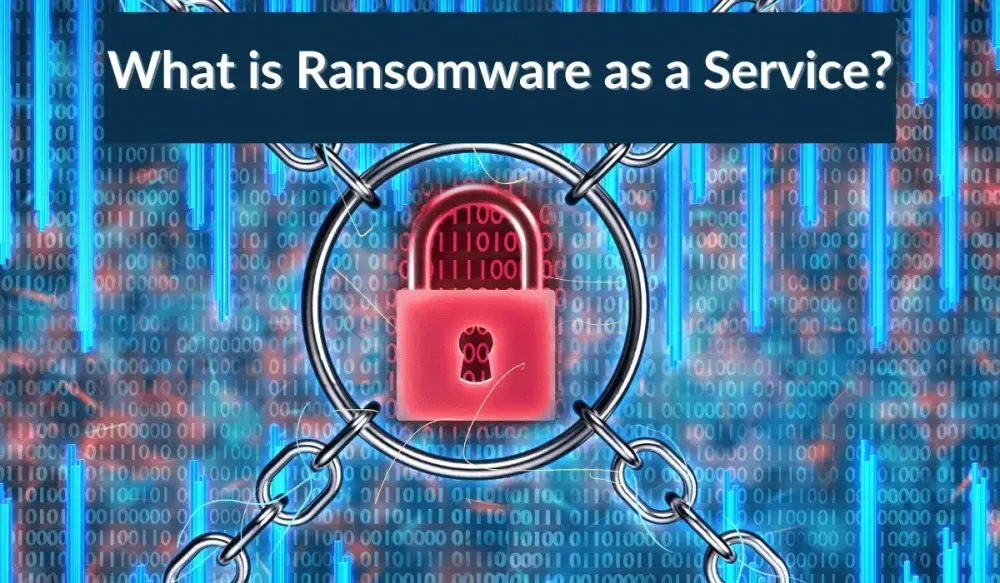
What is ransomware as a service? You’re likely familiar with software as a service (SaaS) but ransomware? What does that mean?
First, let’s do a quick recap of what ransomware is. It is a type of malware that holds the victim’s files and folders for ransom. Through human error, the malware is deployed and encrypts network data, with a safe return being promised once the ransom is paid. And with payments usually made through cryptocurrency, traceability is eliminated.
The ransomware as a service business model was developed for criminal purposes, with the product or service being purchased for illegal activity. Ransomware requires little effort with potentially big payouts.
What Is Zero Trust?
Zero Trust Access
Zero Trust, or Zero Trust Access, is the term applied to the strategy which assumes that you cannot trust the individual or device until verified. The good guys, the bad guys, and all devices are the same and should not be trusted automatically. Proof of trust is verified with credentials.
The term was first coined in 1994 by Stephan Paul Marsh at the University of Stirling as part of his doctoral thesis that focused on trust. Over the next ten years, it became part of the tech vernacular as it relates to defining the perimeter of security access.
MSP: Leading by Example
As an MSP, your business is designed to serve your clients. That means fixing what breaks and preparing them for what might break. You encourage behaviors that eliminate the breaking altogether. As a Breach Secure Now partner, you’re likely approaching this from multiple angles. Ongoing training, social media reminders, and products that integrate with their business to assess a candidate’s cybersecurity know-how before they become a team member. You are there to show them how to reduce the risk of a cybersecurity breach.
Back to School: Student Cybersecurity Tips
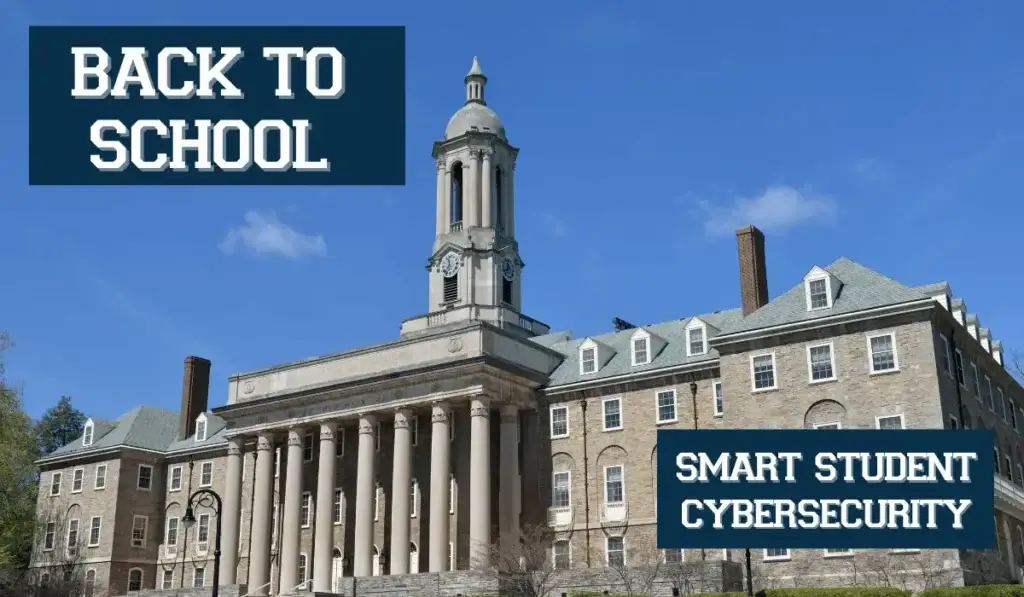
It’s back-to-school time, and no matter the age of the student, or the location of the school, there’s one class that everyone needs to pass. Smart cybersecurity habits need to be on all of our minds, and we can’t afford to fail. We’ve put together some reminders about staying safe online and with your technology.
Before You Start Classes
Make sure that you’re starting off the academic year on solid footing.
The Human Element
With regard to technology, the Human Race is in an actual race to have the latest products and solutions integrated into our lives.
We will stand in line for hours to be the first to have a new phone when it is released. Camp out on Black Friday to get a good deal on electronics and smart devices. We make it a priority to have the latest and greatest. But why aren’t we integrating the latest or greatest habits into protecting ourselves?
Ignoring the human element in cybersecurity is a notion that must change. We continue to put emphasis on prioritizing the technology and not the behaviors.
Cyber Insurance Liability

Misrepresenting yourself is easy to do in a world where many of our interactions exist online. Why not put that profile photo of yourself up at the gym from a few years ago when you actually went there regularly? You’ll eventually get back to working out. There’s no harm in it. Deceptive? Sort of. But in a situation like that, while misleading, it likely won’t cause issues if uncovered.
But what about misrepresentation when it comes to your business? If you apply for cyber insurance and have cybersecurity measures and tools that you’ve purchased but don’t use, is it lying to say that they are “in place”?
Summer Phishing

Remember when summertime meant easy days and more time to relax? In the hurriedness of today, those moments can feel like they are too far gone to recapture. Additionally, as an MSP, there are so many clients relying on you, that it can be difficult to take time for yourself.
Enter Breach Secure Now
We are built by an MSP, for MSPs. And that means that when we create a product, it is built on that foundation. And moreover, with the goal of making your life easier and your cybersecurity stack as robust and complete as anything on the market.