

You may hear the word ‘bot’ used in conversations, especially around cybersecurity. But often we use it without really knowing exactly what it means or how it originated.
The Players
The term botnet is short for robot network. It describes a network of computers that are infected by malware. This malware is controlled by a single party, known as the bot-herder. And each computer that is under that control is known as a bot.
How Does It Work?
Every computer on the botnet can be controlled from one central point or location. Commands are issued for criminal acts to be carried out at the same time. These botnets are often made up of millions of bots. This enables large-scale attacks to happen without the effort and coordination of multiple parties. It also includes the ability to perform simultaneous updates and behavior modifications to the bots as well as attack commands. Bot-herders can often rent out segments of their botnet to cybercriminals for financial gain.
What Do They Do?
While not limited to the following actions, these are some of the more common criminal activities that bots can perform.
DDos Attacks – A distributed denial of service attack is when an overload of requests is directed at a targeted network or server. This then renders the network inaccessible to its legitimate users.
Targeted Intrusion – When a smaller botnet targets a very specific high-value part of an organization such as financial data, R&D, or other intellectual property. It can also target customer information.
Financial Breach – These botnets are designed to target credit card information and directly steal funds.
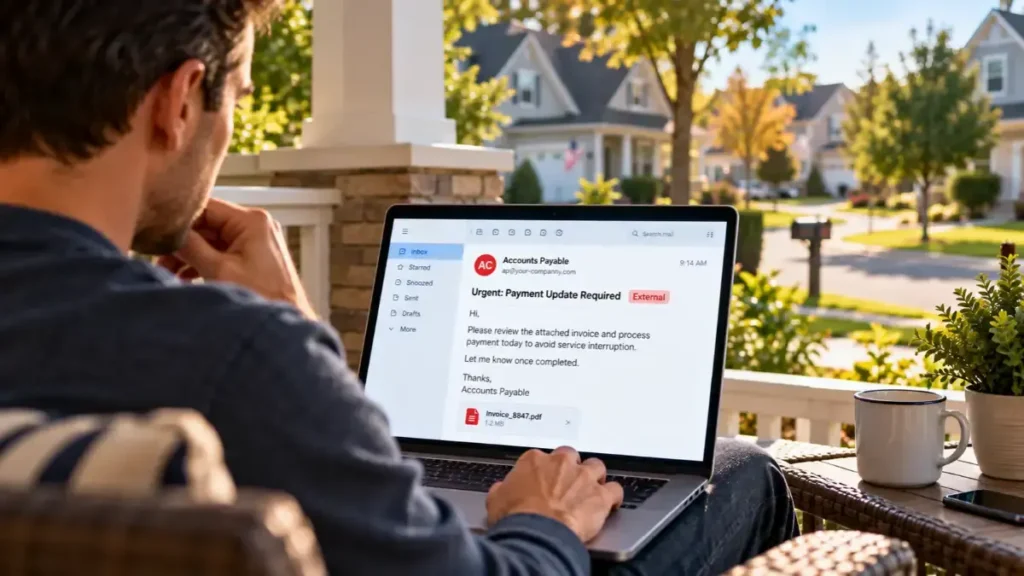
Email Spam – While this is one of the older botnet attack methods, it is one of the most common. Botnets will send out phishing and spam messages with malware to large, targeted audiences. One person clicking on a malicious link can result in financial gain for the criminal.
How To Fight Back
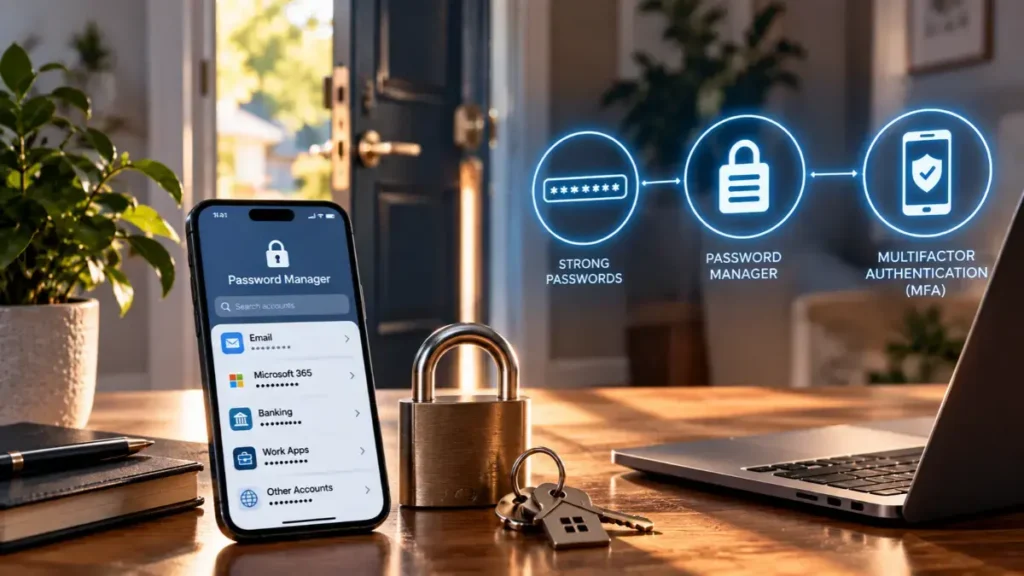
The sophistication and adaptability of bots make them a threat to cybersecurity in many aspects. Being proactive in your approach will provide better results when it comes to keeping your personal identity and the security of your business intact. With programs like Catch Phish and ongoing training methodology, your chances of avoiding a breach increase. Breach Secure Now helps MSPs to deliver a complete cybersecurity solution to their clients. Learn more today.