As a Managed Service Provider (MSP), your healthcare clients rely on you to ensure their IT systems are secure and compliant with regulations. With the increasing threat of cyber-attacks, it is crucial to emphasize cybersecurity alongside HIPAA regulations to your healthcare clients.
What is HIPAA?
HIPAA compliance is a critical aspect of healthcare IT, and it should not be taken lightly. However, it is not the only concern when it comes to healthcare IT security. Cybersecurity threats are on the rise, and healthcare organizations are prime targets. Cybercriminals hope to steal sensitive patient data and hold it for ransom, and healthcare organizations must take steps to prevent this from happening.
Emphasize & Identify Risk
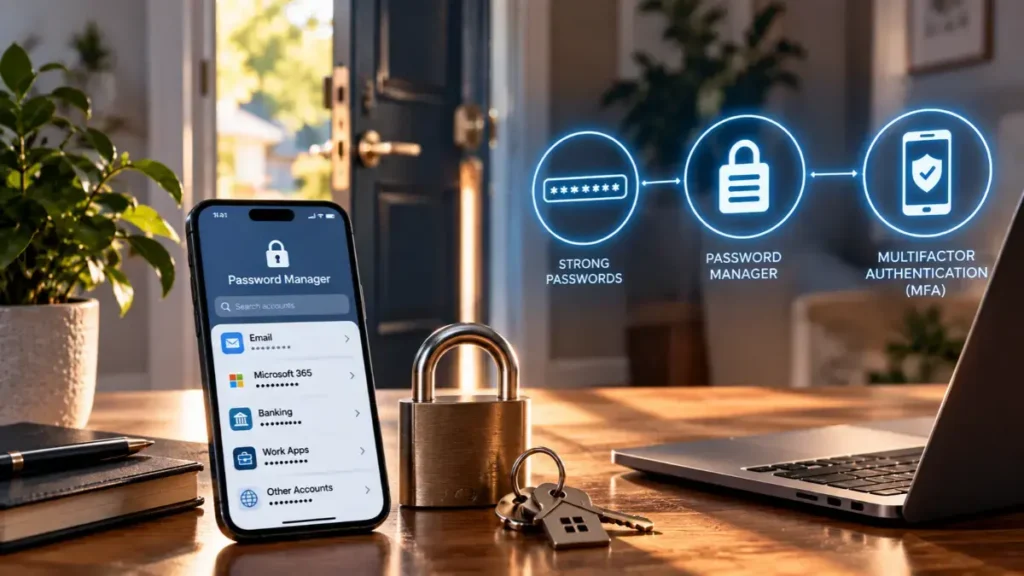
One of the ways you can emphasize the importance of cybersecurity to your healthcare clients is by educating them on the risks. Work with your healthcare clients to identify potential vulnerabilities and develop a comprehensive cybersecurity plan. This plan should include regular security assessments, employee training, and incident response procedures. Including HIPAA services as part of this is ideal.
Regular security assessments are essential to identify potential weaknesses in your healthcare client’s IT infrastructure. These assessments should be conducted by an experienced cybersecurity professional and include penetration testing, vulnerability scanning, and risk assessments.
Ongoing Training
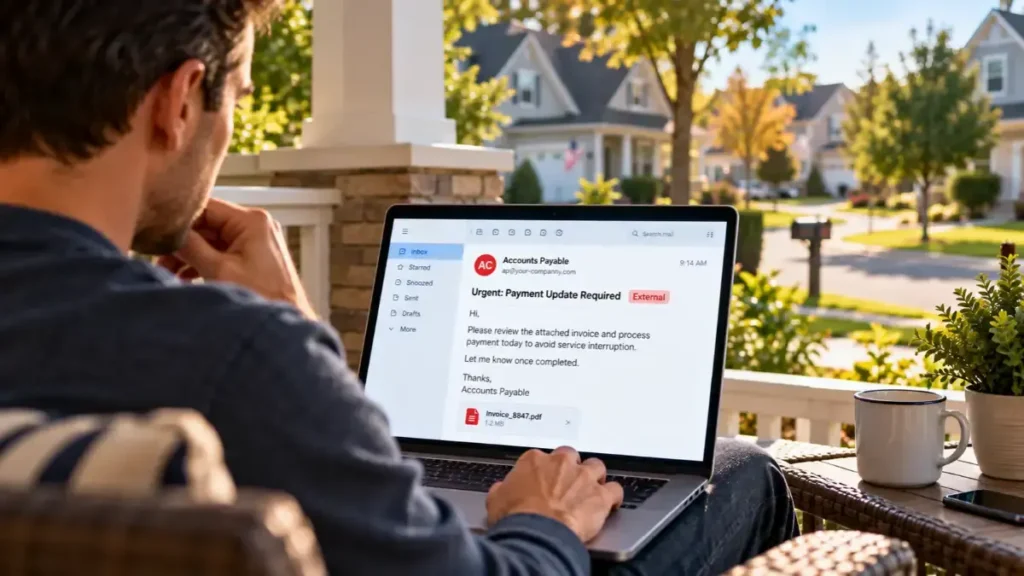
Employee training is another critical component of a cybersecurity plan. Healthcare organizations must train their employees to recognize phishing emails, suspicious links, and other potential cyber-attack vectors. Education on best practices for cybersecurity can help them avoid common pitfalls and protect sensitive patient data.
Ready to Respond
Additionally, it is crucial to have an incident response plan in place just as you would any other business, but in healthcare, it can mean life or death. A cybersecurity incident can happen at any time, and having a plan in place can help your healthcare clients respond quickly and effectively. This plan should include steps for identifying and containing the attack, notifying relevant parties, and restoring systems to normal operation.
Don’t let your healthcare clients miss the mark when it comes to their readiness. HIPAA compliance is essential, but it is not the only concern when it comes to healthcare IT security. Educate them on the risks of cyber-attacks and develop a comprehensive cybersecurity plan. This will help to protect them, protect sensitive patient data, and avoid costly breaches. If you need assistance in getting started, Breach Secure Now can help.