
While it is true that Americans are becoming more aware of the need to protect their information online through methods such as utilizing strong passwords or being conscious of how they’re using public Wi-Fi, many still lack in key areas which could cause significant data breaches.
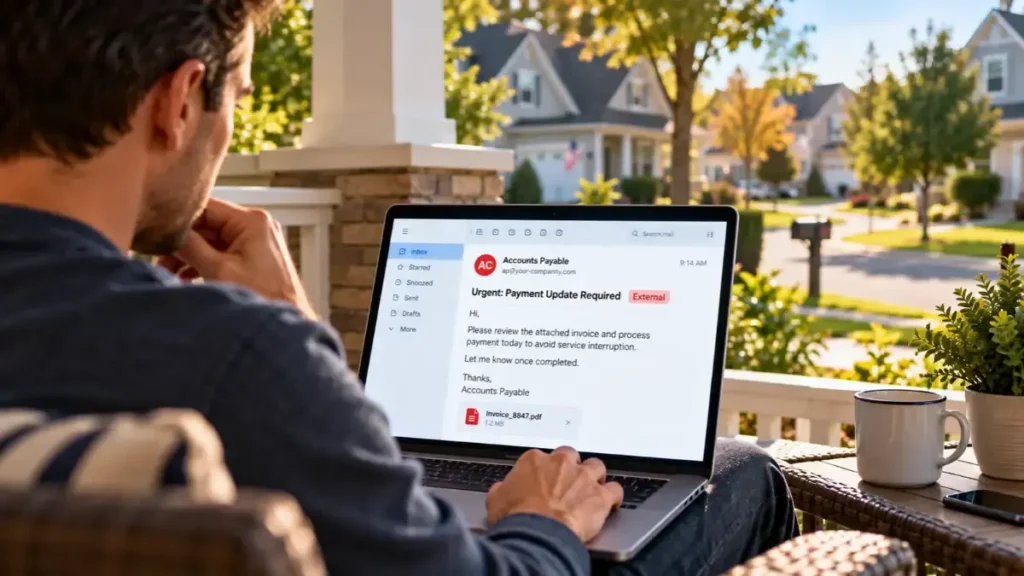
Things like recognizing “phishing” emails or determining if a website is encrypted are still areas of cybersecurity that cause problems among Americans. An article over on News Factor takes a look at a study showing where Americans stand in regards to cybersecurity awareness.
A survey titled, “What the Public Knows about Cybersecurity”, performed by Pew Research Center last year gathered responses from 1,055 adults in order to gauge the understanding Americans have in regards to safety and privacy on the web.
The results were mixed, highlighting that public awareness of online security measures remains a potential weak link in thwarting cyberthreats.”
According to the head of the San Diego Cyber Center of Excellence, Ken Slaght, the weakness caused by public awareness in regards to cybersecurity is of great concern, pointing out that attackers are becoming more sophisticated in their methods of attack.
These attackers keep upping their game. It has gone well beyond the jumbled, everything misspelled email.”
Gemalto, a digital security firm based in The Netherlands provides us with some alarming statistics regarding the worldwide increase in data breaches.
1,792 data breaches occurred worldwide in 2016, with 1.4 billion digital records compromised — up 86 percent from the prior year.”
So, why is it that data breaches keep increasing in numbers? According to Slaght, the fact that “people have become numb” to data breaches is one of the biggest issues. To make his case, Slaght uses the example that everyone has had their credit card information stolen at one point or another, but just gets a new credit card and moves on from it.
Looking at the Pew Research Centers’ study we can see where Americans lack when it comes to cybersecurity.
The survey worked by asking participants 13 questions regarding cybersecurity.
Results of the Pew Research Centers’ study
- Median score: 5 correct answers
- 20% of participants: 8 correct answers
- Large % responded “not sure” rather than incorrectly
- 33% knew what ‘https’ meant
- 10% could identify multi-factor authentication
- 39% knew that Internet Service Providers can view the websites customers use even if it they’re using “private browsers”
- 52% knew turning off the GPS function on a smartphone does not prevent all tracking
- 54% could correctly identify a phishing attack
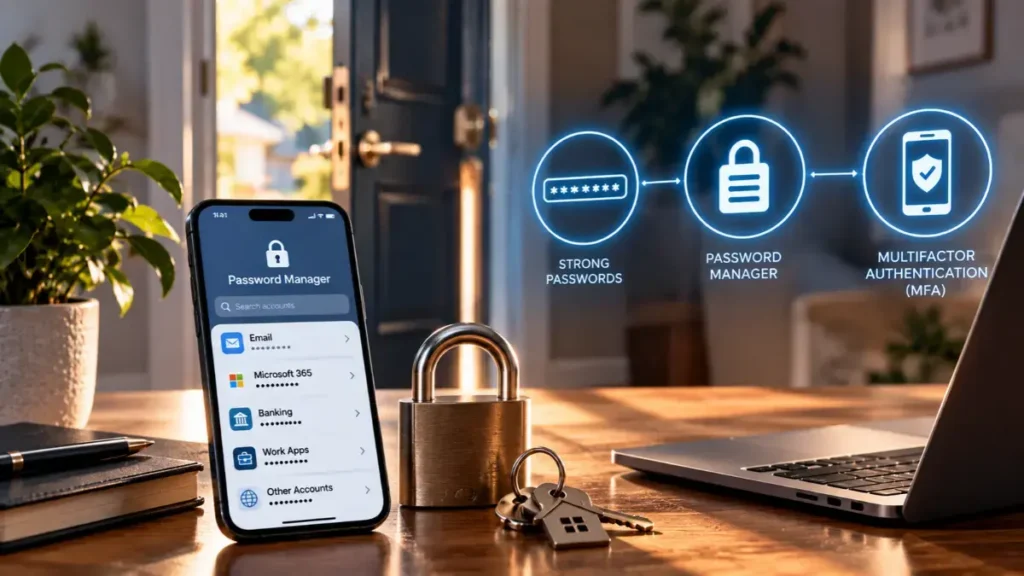
- 75% could correctly identify the most secure password from a list of four
From this study, we can see that Americans have a decent understanding of what is considered a secure password, but lacked in many other others, such as how to spot a phishing attack or the importance of ‘https’ in websites. While there is technology intended to help prevent cybercriminals from successfully carrying out attacks through methods like phishing, there is no software that can guarantee an attack won’t slip through. For this reason, the best way to prevent cybercriminals from attacking is by increasing awareness and education on how to properly safeguard your information on the web.