End of Windows 7
They say when one door closes another one opens, but in this case, it’s a window. On January 14th, 2020, Microsoft ended its support for Windows 7. Since Microsoft is no longer offering patches or security updates for vulnerabilities identified in Windows 7, hackers have a new way of gaining access to data for any individual or organization still running Windows 7. Outside of exploiting any identified vulnerabilities, hackers are using Windows 7 end of life as a perfect way to scam unsuspecting users of the outdated software into falling for their tricks.
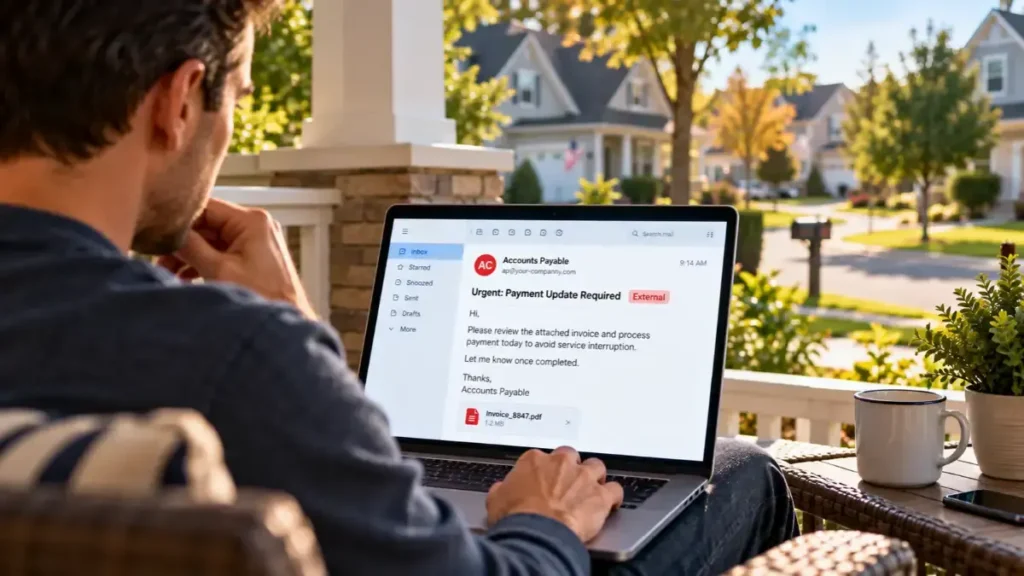
Through social engineering or other popular tactics, scammers are contacting users and posing as Microsoft employees (or other credible resources) who are simply “here to help” by looking to make sure that you obtain ongoing support for your outdated software. They appear to be very helpful, offering you a solution to your situation. And all that the user must do is commit to paying a fee for ongoing support or allow access to their computer so that they can install or deploy “helpful” software.
Generally, users will be contacted by telephone or via a pop-up window that alerts them to click on a link for support. Unsuspecting victims will assume that Microsoft is deploying this via their own software, and so it must be legitimate. It is not.
As an MSP, you have control over your clients to a degree, but not entirely and in all aspects, so be sure to educate them about the dangers that lurk about if they have Windows 7 at home, or their business has not been updated yet.
Give them Guidelines
- Microsoft will NEVER call you to open a support ticket. Support tickets ALWAYS have to be initiated by the consumer.
- Never give your credit card, banking, or other payment information over the phone to someone calling you about support.
- Microsoft is not liable for your mistakes. If you fall for a scam, you will not be reimbursed by Microsoft for any monies lost.
- Computer pop-ups can be deceiving. If you are suddenly alerted to an urgent need to update or upgrade software, it is likely a scam, especially if it is about Windows 7.
Should any of these scenarios come up, instruct your clients and their employees to call you immediately. Yes, you will have to be more readily available in the immediate future, but it will likely prevent you from having a much larger crisis to deal with later. And that could possibly happen at a much more inconvenient time!