Artificial intelligence is steadily reshaping every industry, including healthcare. From predictive analytics to ambient listening tools that generate clinical notes, AI promises to reduce administrative burden and give clinicians something they desperately need: time. Less typing. More patient care. Fewer late-night charting sessions.
In a recent episode of The Pitt, an AI-assisted charting tool is introduced to help physicians streamline documentation. The concept feels familiar because it mirrors what many hospitals are piloting right now. The tool listens, summarizes, and produces structured clinical notes in seconds. The pitch is compelling: faster documentation, cleaner charts, and reduced burnout.
But then something happens. The AI makes mistakes.
Not obvious, glaring failures but subtle inaccuracies. Details that were never discussed. Slight mischaracterizations. Plausible but incorrect clinical information. In other words, hallucinations.
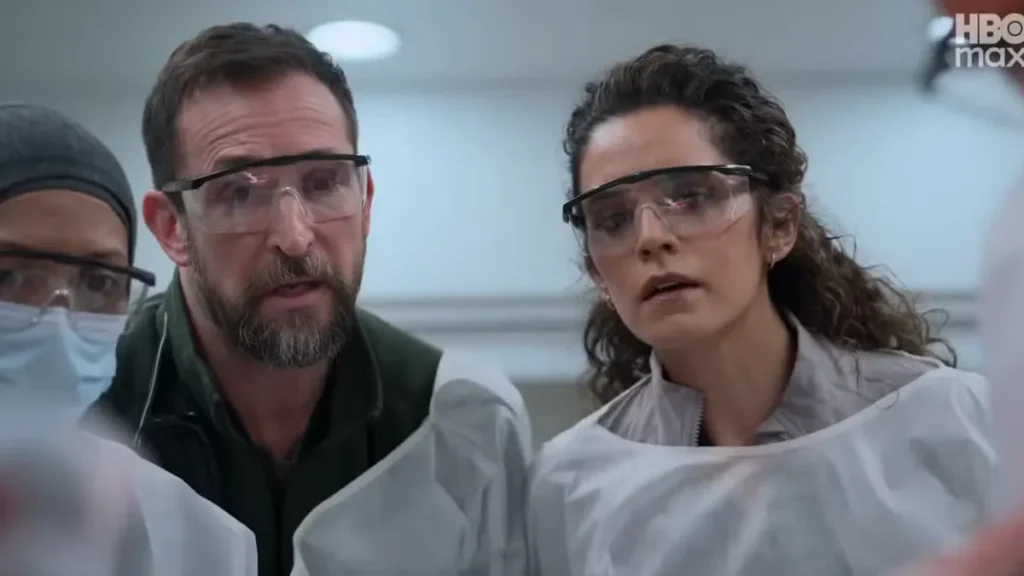
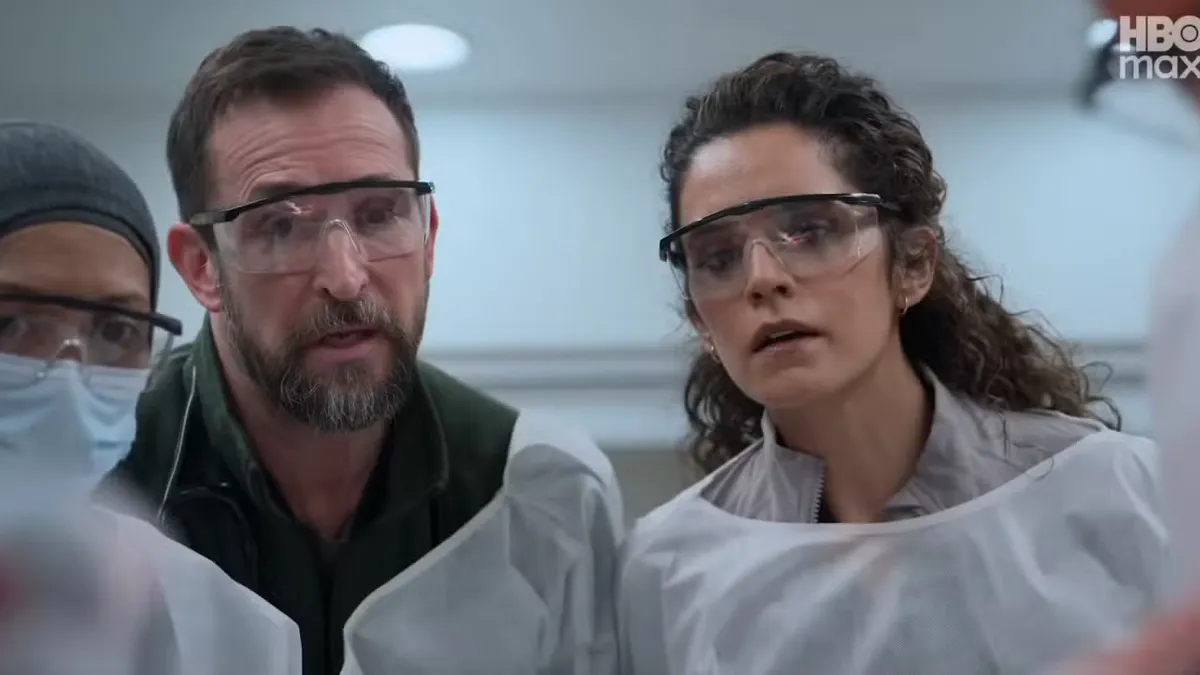
In the episode, a patient is not admitted for care when doctors receive misinformation: Dr. Trinity Santos (Isa Briones) uses an AI-assisted app to streamline a mounting workload, however, the AI tool falsely hallucinates that a patient has a history of appendicitis, and recommends a Urologist (not Neurologist) to treat the patients’ headache. When confronted about the misinformation generative AI hallucinates, Dr. Baran Al-Hashimi (Sepideh Moafi) insists that “We still need to proofread every chart it creates.”
And that’s where the episode shifts from being about efficiency to being about risk.
The Quiet Danger of AI Hallucinations
In artificial intelligence systems, a “hallucination” occurs when a model generates content that sounds confident and coherent but is factually wrong. Unlike a software bug that crashes a system, hallucinations are more insidious. They look polished. They read professionally. They often blend accurate details with fabricated ones. And they do so without warning.
AI systems do not “know” facts in the human sense. They predict patterns based on data. That predictive capability is powerful but it is not understanding. When deployed in low-risk environments, hallucinations can be inconvenient. When deployed in healthcare, they can be fatal.
An incorrect medication dosage, invented symptom, or an incorrect medical history entry isn’t just a clerical error. It becomes part of the patient’s record. It informs future decisions. It may influence treatment plans. It can introduce liability. And perhaps most critically, it can erode trust.
Documentation in healthcare is not administrative fluff. It is the backbone of continuity, safety, and accountability.
The Real Debate: Efficiency vs. Accuracy
The tension portrayed in The Pitt reflects a real-world debate unfolding across all industries, not just hospitals and health systems.
One side argues that AI reduces burnout and helps clinicians reclaim time for patient care. They point out that documentation fatigue contributes to turnover, stress, and even medical errors. If AI can safely shoulder some of that burden, why wouldn’t we use it?
On the other side, skeptics raise critical concerns. AI systems lack contextual judgment. They don’t understand nuance. They can fabricate information. And humans are prone to over-trust machine output simply because it appears authoritative. Both perspectives are valid.
AI is neither a miracle solution nor an existential threat. It is a force multiplier. It amplifies efficiency, but it can also amplify mistakes.
Why Human Proof-Checking Is Essential
The most important lesson from the episode is not that AI is flawed. It’s that human oversight is irreplaceable.
AI-assisted tools can be powerful. But it must operate within a framework where users remain accountable for every word that enters a patient or client record. Human review isn’t optional polish; it is a safety control.
Experienced employees and clinicians alike, bring judgment, intuition, ethical reasoning, and contextual awareness that AI simply does not possess. A physician reviewing an AI-generated note isn’t just correcting grammar. They are verifying clinical accuracy. They are ensuring that the documentation reflects what actually occurred. They are protecting the patient and themselves.
There’s a phrase often used in cybersecurity: “Trust but verify.” Generate, but always validate. Artificial intelligence can support clinicians. It can streamline workflows. It can reduce friction. But it cannot assume responsibility. It cannot understand consequence. And it cannot replace human judgment.
When AI hallucinates, patients and clients shouldn’t bear the cost. That’s why human proof-checking isn’t a barrier to progress. It’s the foundation that makes progress safe.