Small businesses, just like large corporations, can fall victim to deceptive tactics. If you haven’t yet heard about deepfake, read on and explore what these scams are and learn practical tips on how to recognize and defend against them. It is important to know in order to protect yourself and safeguard your business’s reputation and finances.
What is a Deepfake Scam?
A deepfake is a type of synthetic (made-up) media where artificial intelligence (AI) and deep learning technologies are used to manipulate or generate content, typically in the form of images, audio, or videos. Deepfake scams involve using these techniques to create fake content that is designed to deceive individuals, including employees, customers, or even business partners. Here are a few common types of deepfake scams:
- Fake CEO/CFO Videos: Scammers create videos that appear to feature high-level executives within your company requesting immediate financial transactions. These videos can be compelling and may prompt employees to transfer money or sensitive information.
- Impersonation of Business Partners: Cybercriminals may impersonate your trusted business partners or clients through convincing audio or video messages, requesting confidential data or financial transactions.
- Fake Product Endorsements: Deepfake technology can create videos or images featuring celebrities or influencers promoting products, even though they’ve never actually used or endorsed a brand. This can damage their reputation and mislead customers.
Recognizing Deepfake Scams
The key to reducing the risk of falling victim to a deepfake scam is to know how to recognize it. Here are some signs to look out for:
- Inconsistencies in Speech and Behavior: Pay close attention to the individual’s speech, body language, and facial expressions in the video or audio. If something seems off or inconsistent with their usual behavior, it could be a deepfake.
- Poor Audio or Video Quality: Deepfake technology continuously improves, but some older or less sophisticated attempts may exhibit poor quality, such as unnatural facial movements or audio glitches.
- Confirm Requests in Person or Through Trusted Channels: If you receive a request for financial transactions or sensitive information, always confirm these requests in person or through trusted communication channels. Avoid making hasty decisions based solely on electronic communications.
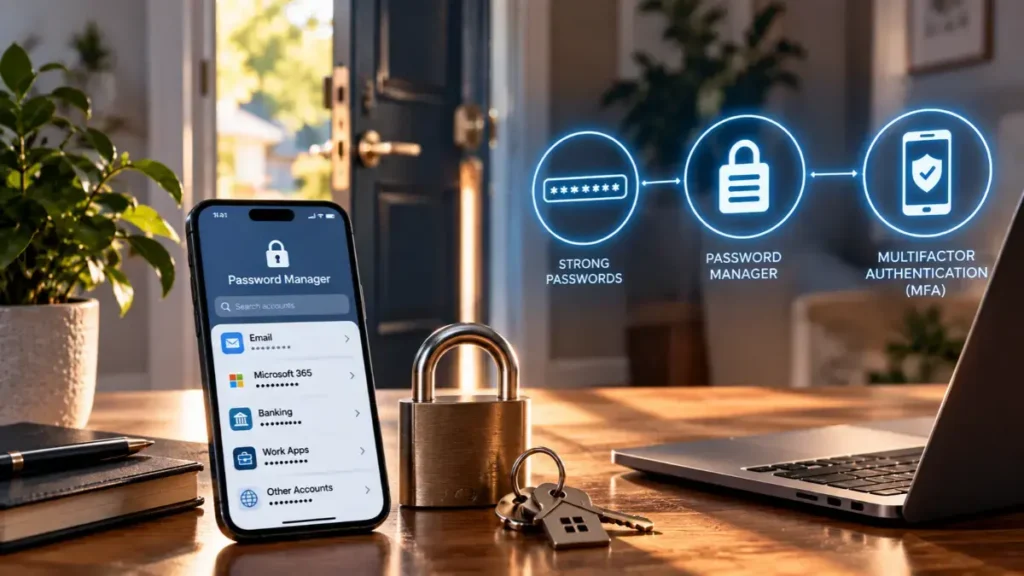
- Check for Authentication: Use multi-factor authentication or verification procedures for all financial transactions, especially those initiated remotely. This extra layer of security can help prevent unauthorized transactions.
Defending Against Deepfake Scams
Protecting your small business from deepfake scams requires a proactive approach. Here are some steps to defend against these threats:
- Employee Training: Educate your team about the risks of deepfake scams. Additionally, provide training on how to recognize and respond to them. Encourage a culture of caution when it comes to unexpected requests for money or sensitive information.
- Secure Communication: Implement secure communication channels for sensitive transactions and data. Utilize encryption, password protection, and multi-factor authentication to safeguard critical information.
- Stay Informed: Keep up to date with the latest advancements in deepfake technology and cybersecurity. Awareness is key to staying one step ahead of scammers.
- Use Deepfake Detection Tools: Consider using specialized deepfake detection software or services that can help identify manipulated media.
Deepfake scams pose a significant threat to small businesses, but by being vigilant and proactive, you can protect your organization from falling victim to these deceptive tactics. Educating your employees and implementing secure communication practices are crucial steps in defending your business’s reputation and finances. Stay informed and be prepared to adapt to evolving deepfake technology to keep your small business safe.